July 24, 2026
When you decide to upgrade your property with a new surface, careful planning is the ultimate key to a successful transformation. Understanding how to properly evaluate your physical environment ensures that the chosen solution meets your long-term durability and aesthetic needs. Determining the complete scope of your project involves looking at multiple variables, from the daily activities occurring in the room to the current state of the foundational concrete. Whether you are upgrading a residential garage, a commercial showroom, or an industrial warehouse, mapping out every detail will save you from unexpected surprises down the road. Property owners who skip the initial assessment phase often find themselves facing delays or choosing materials that do not entirely align with their functional requirements. By systematically breaking down your specific needs, you can guarantee a smooth application process and a stunning final result. Well-planned epoxy floors offer incredible longevity, but maximizing their potential starts with a comprehensive understanding of your unique space.
Assessing the Traffic Demands
The first major step in scoping your project is to closely observe and categorize the type of movement your new surface will endure on a regular basis. Different environments subject their foundations to vastly different levels of stress, and your material choice must perfectly align with these realities. If the area simply experiences standard walking patterns or light retail footfall, a standard application will provide more than enough strength to maintain its flawless appearance. However, industrial facilities, manufacturing plants, and active mechanic shops introduce extreme pressure through heavy machinery, loaded forklifts, and constant vehicle movement. These intense mechanical pressures require highly resilient formulations designed explicitly to resist crushing impacts and constant abrasive friction. By accurately predicting the heaviest loads and the most frequent movement patterns, you can effectively tailor the resilience of the application to match the exact environment. Failing to account for extreme traffic can lead to premature wear. When you invest in beautiful epoxy floors, matching the durability to the demand ensures that the surface remains unblemished despite heavy usage.
Evaluating the Substrate Condition
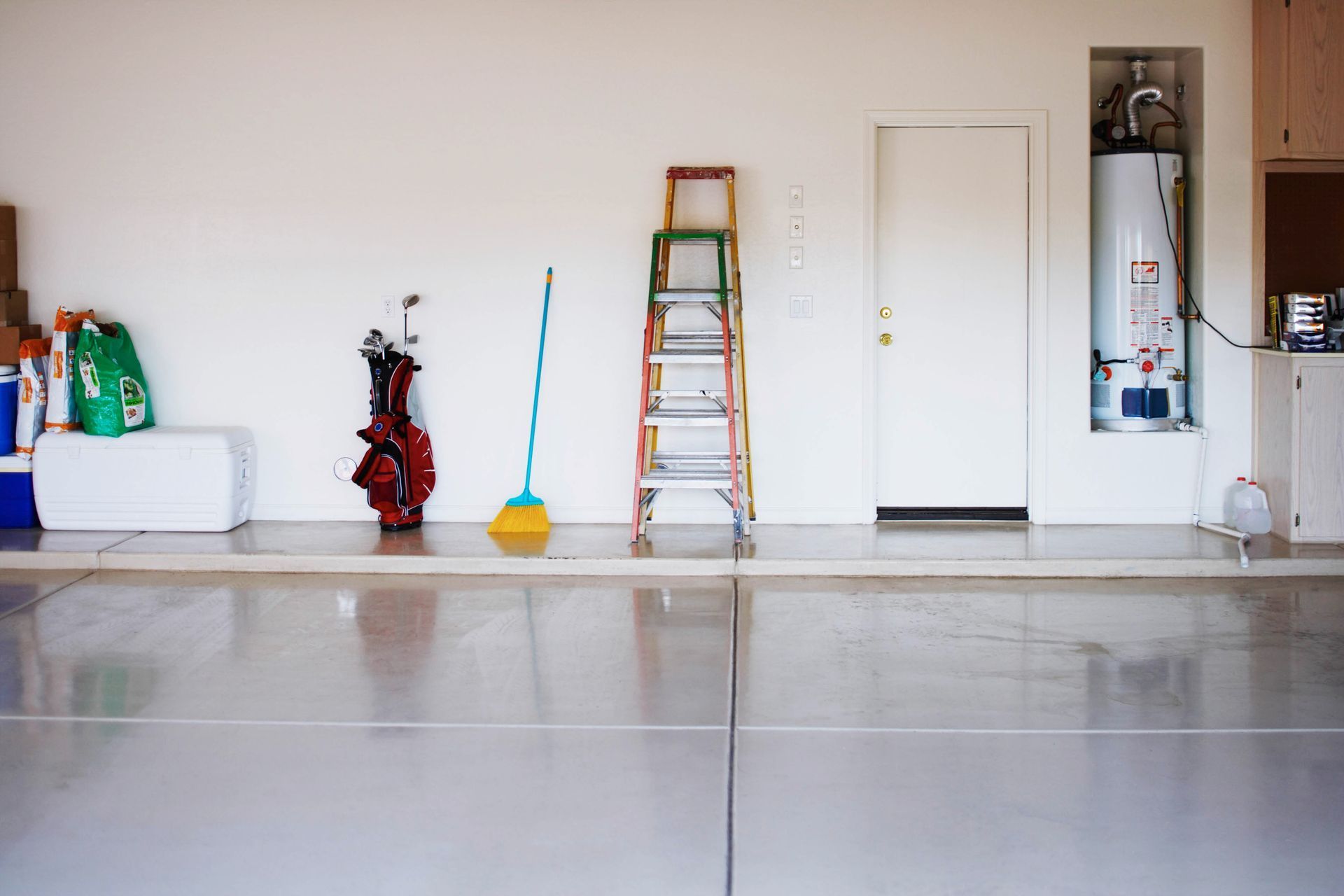
Before any new material can be applied, the underlying concrete foundation must undergo a rigorous inspection to identify any underlying issues. The ultimate success of your new surface relies heavily on the bond it forms with the existing base layer. If the current concrete is compromised by extensive cracking, significant unevenness, or deep-seated stains, these imperfections must be fully resolved prior to the installation phase. Moisture is another critical factor that requires careful investigation during the scoping process. High humidity levels within the concrete can interfere with the chemical bonding process, potentially leading to delamination or bubbling over time. Professional testing methods can reveal hidden moisture issues, allowing for the appropriate mitigation strategies to be integrated into the overall project plan. Any remnants of previous coatings or chemical spills must also be completely ground away to expose the raw, porous concrete beneath. Taking the time to properly prepare the substrate guarantees that your new epoxy floors will adhere flawlessly and provide decades of reliable service.
Considering the Aesthetic Preferences
While incredible durability is often the primary motivation for upgrading your surface, the visual impact of the space is equally vital. The design possibilities are virtually endless, meaning your aesthetic preferences will directly influence the complexity of the installation. A minimalist, solid-color finish provides a clean look that works beautifully in contemporary retail spaces or sleek residential environments. Alternatively, incorporating decorative vinyl flakes or quartz granules adds brilliant texture and a dynamic visual layer that expertly hides minor debris. These textured additives also provide enhanced slip resistance, merging striking beauty with increased safety for wet environments. For those seeking a truly luxurious appearance, metallic pigments can be blended into the resin to create swirling patterns that resemble natural marble. Each aesthetic choice requires specific materials and slightly different application techniques, which must be accounted for during the initial planning phase. Customizing the design ensures your epoxy floors will serve as a gorgeous focal point that perfectly complements the surrounding architectural style.
Understanding the Material Requirements
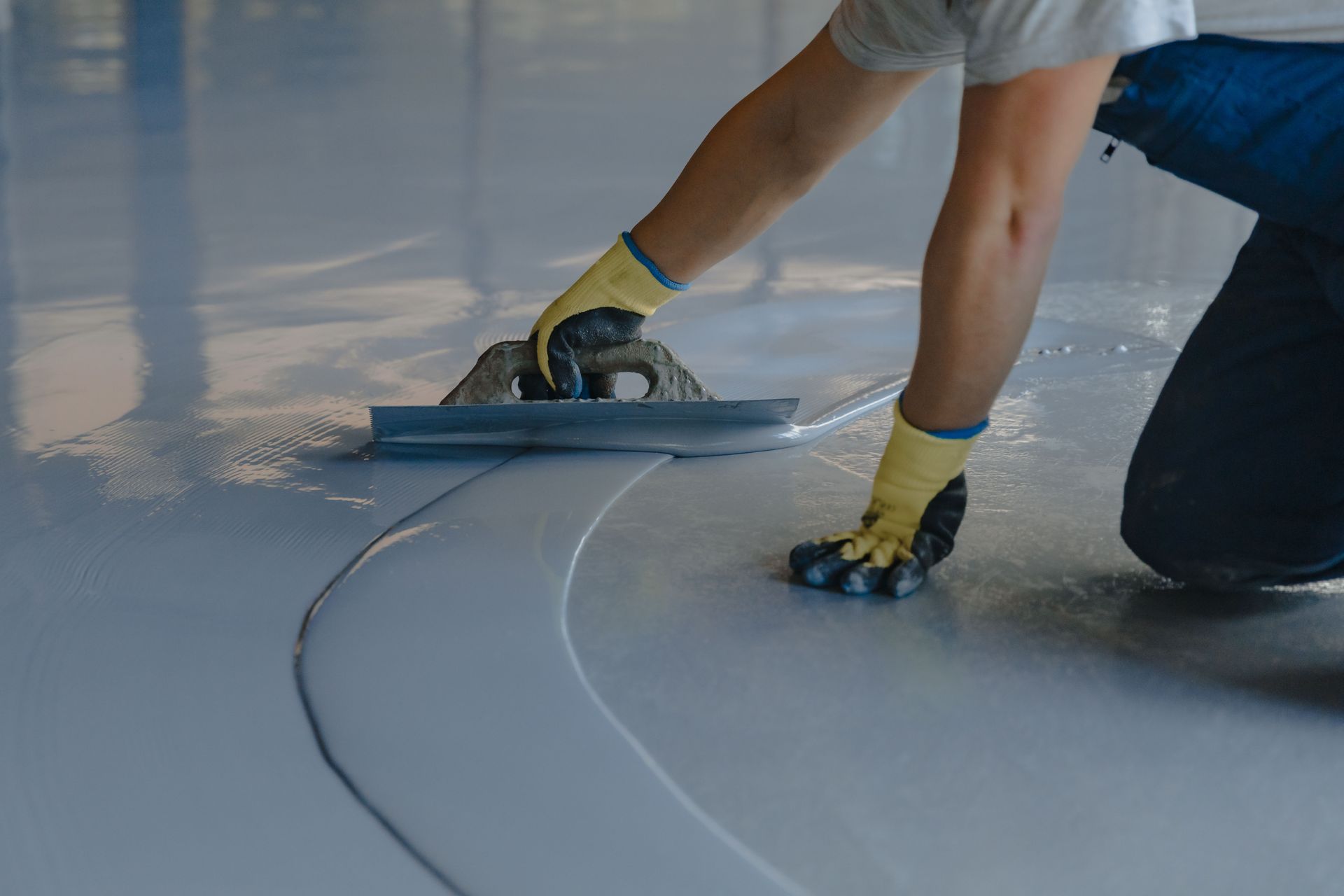
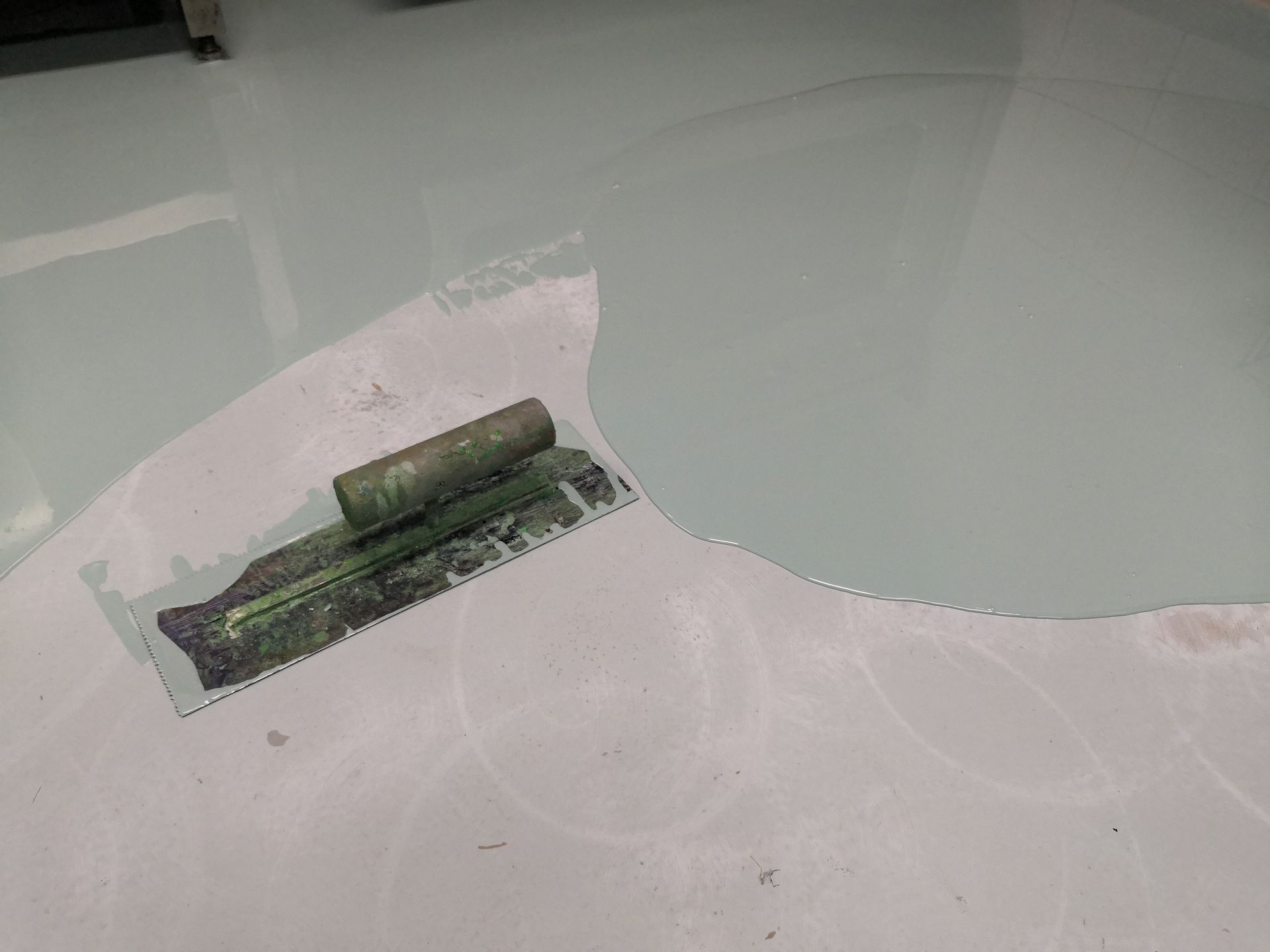
Accurately calculating the volume of material needed is a fundamental component of defining your project scope, ensuring you have enough product to achieve the desired thickness and performance. The square footage of the room is the baseline measurement, but the specific condition of the concrete and the intended use of the space will dictate the ideal thickness of the coating. Heavily pitted or highly porous concrete will naturally absorb more liquid resin, requiring a slightly larger volume of material to create a perfectly smooth and level surface. Furthermore, industrial spaces that require extreme impact resistance will necessitate a much thicker, multi-layered application compared to a standard residential garage. Understanding the exact relationship between material volume and application depth is crucial for an accurate plan. According to This Old House, most epoxy floors are at least 10 millimeters thick, for which a gallon of epoxy will cover about 160 square feet. Relying on precise calculations prevents material shortages halfway through the installation process.
Selecting the Chemical Resistance
Another crucial variable to evaluate when determining the parameters of your flooring project is the likelihood of chemical exposure and the potential for harsh liquid spills. Environments such as commercial kitchens, automotive repair shops, and scientific laboratories frequently deal with aggressive substances that would quickly destroy traditional surfaces. Motor oil, transmission fluid, harsh industrial solvents, and acidic food products can leave permanent stains or compromise the structural integrity of inferior materials. By identifying the exact types of chemicals present in your specific environment, you can select a specialized resin formulation that is explicitly engineered to repel those exact substances. High-performance topcoats can be integrated into the system to provide an impenetrable barrier, ensuring that corrosive liquids can be easily wiped away without leaving damage. Even standard residential garages benefit immensely from this chemical resistance, as everyday automotive fluids will not mar the beautiful finish. Designing your epoxy floors with the appropriate level of chemical defense guarantees they remain pristine regardless of accidental spills.
Planning the Installation Timeline
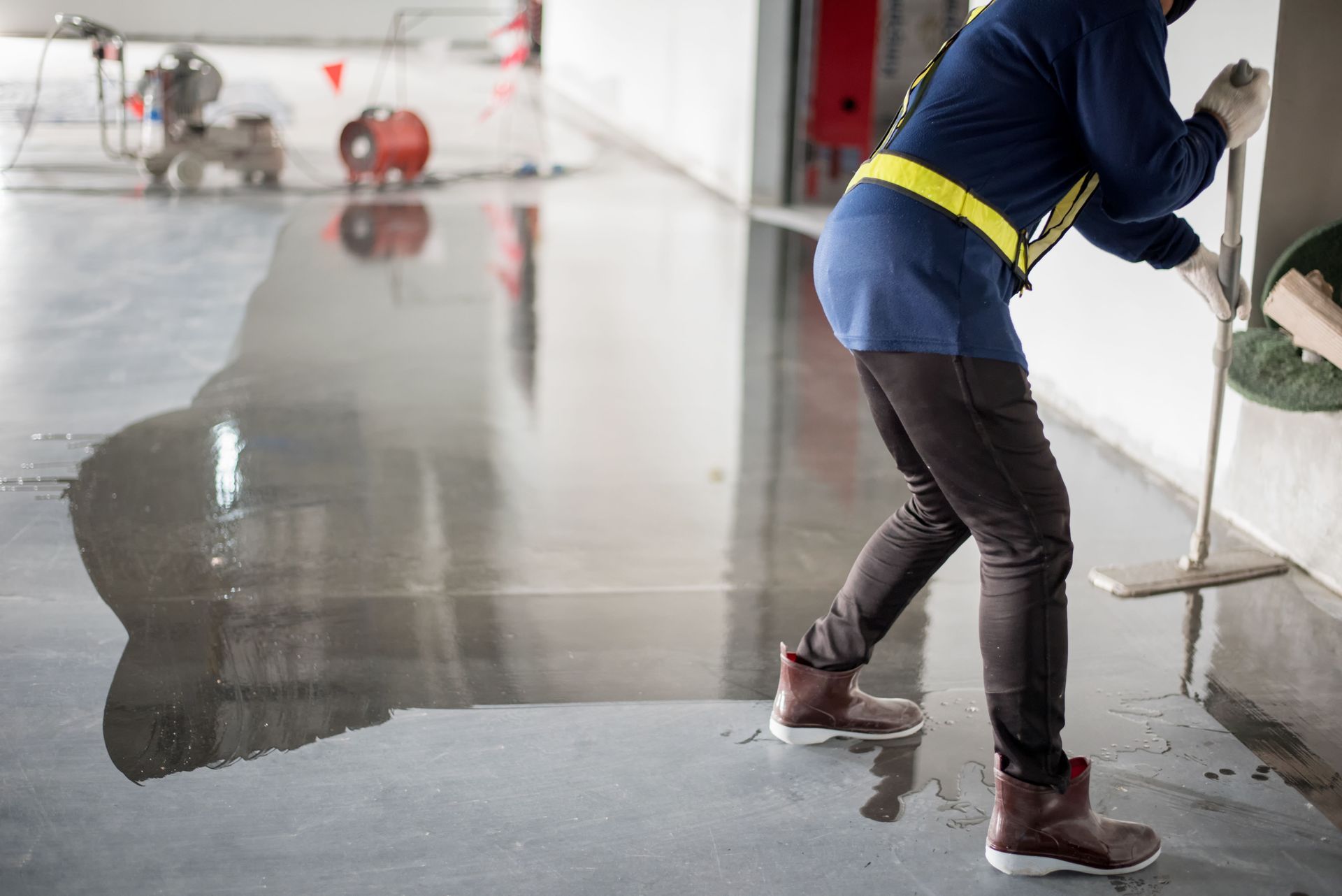
The final element to consider when outlining the scope of your upgrade is the logistical timeline and the necessary downtime required for a successful application. Proper installation is a multi-step process that simply cannot be rushed without severely compromising the quality and durability of the final result. The initial phase involves the mechanical preparation of the concrete, which requires specialized equipment to grind the surface and remove any existing imperfections. Following the preparation, the base coats and decorative elements must be meticulously applied, with adequate time allowed for each layer to bond. Furthermore, the surface must be given ample time to completely cure before it can safely handle normal activities or heavy traffic. For commercial enterprises, this requires strategic scheduling to minimize business interruptions. By establishing a clear timeline that accounts for the preparation and curing process, you ensure a smooth experience from start to finish. Coordinating with your installation professionals about the precise curing requirements allows you to orchestrate the return of your daily foot traffic without risking any damage.
Properly scoping out your upcoming renovation project guarantees that every functional requirement and aesthetic desire is fully met with precision and expert care. By taking the time to evaluate the daily traffic, the condition of the underlying concrete, the required material thickness, and the specific chemical risks, you set the stage for a truly flawless installation. A well-planned surface upgrade not only transforms the visual appeal of your environment but also provides an impenetrable layer of protection that will withstand the toughest daily challenges for many years to come. Ultimately, investing the effort into a comprehensive initial assessment ensures that your final surface delivers unparalleled value, safety, and enduring beauty. When you are ready to elevate your space with top-tier epoxy floors, professional guidance makes all the difference in achieving absolute perfection. Please reach out to Advanced Floor Coatings today to learn more and begin mapping out the ideal solution for your environment.