November 18, 2026
If you spend endless hours sweeping gray grit off your tools, inventory, or vehicle hoods, bare concrete is the root cause of your frustration. Unprotected slabs slowly disintegrate under foot and vehicle traffic, releasing airborne particles that settle across every surface in your building. Upgrading to a professionally installed epoxy floor permanently seals that porous substrate and solves underlying maintenance headaches for good.
Halting Concrete Dusting at the Source
Bare concrete produces fine dust through a process called efflorescence and mechanical abrasion. Every time foot traffic, rolling carts, or vehicles move across an unsealed slab, the top layer of brittle concrete paste breaks down into chalky powder. This gritty residue tracks into offices, fouls sensitive electronics, and covers stored merchandise in an unsightly haze. Standard sweeping only stirs the dust back into the air where it hangs for hours before settling again.
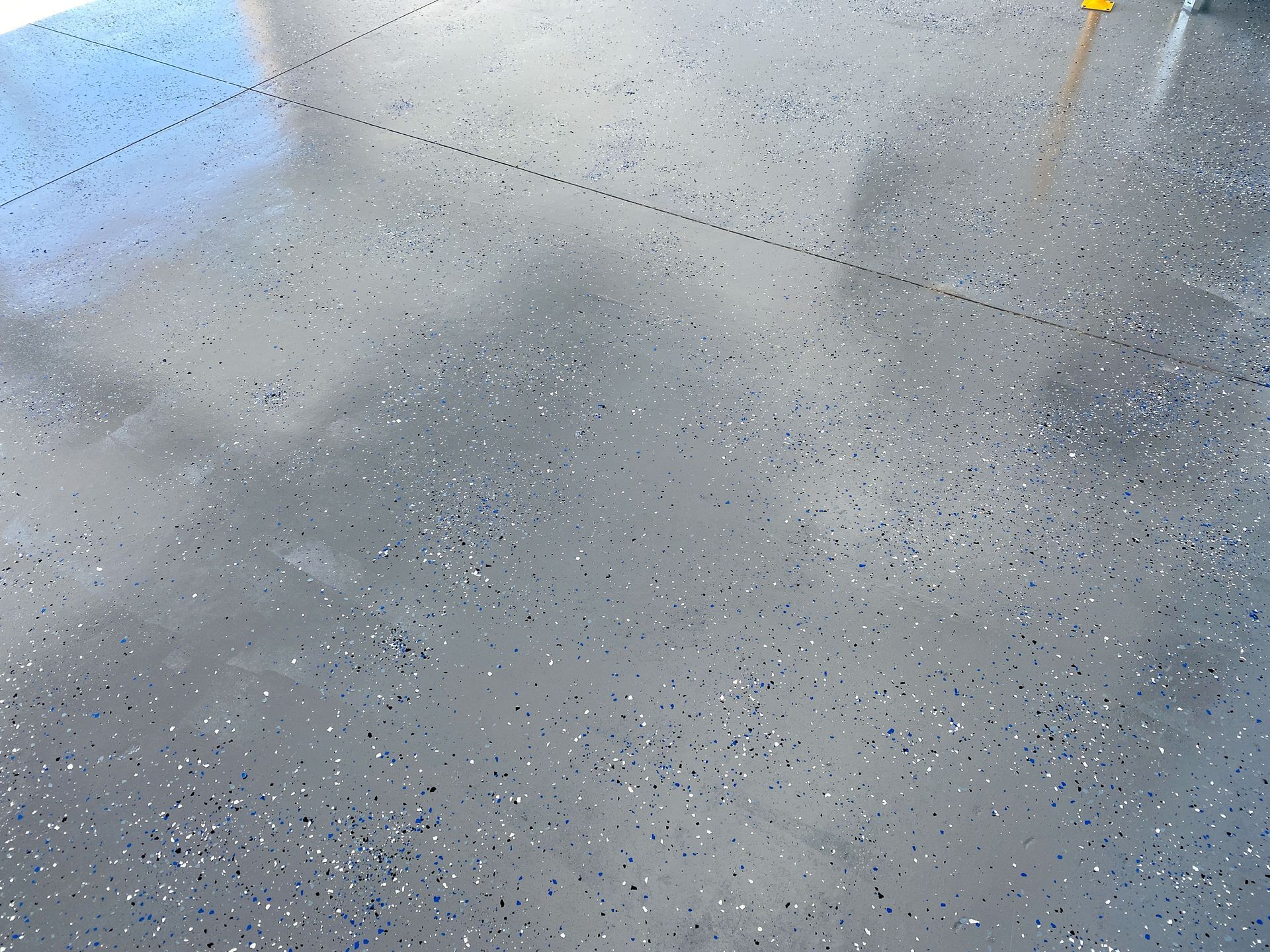
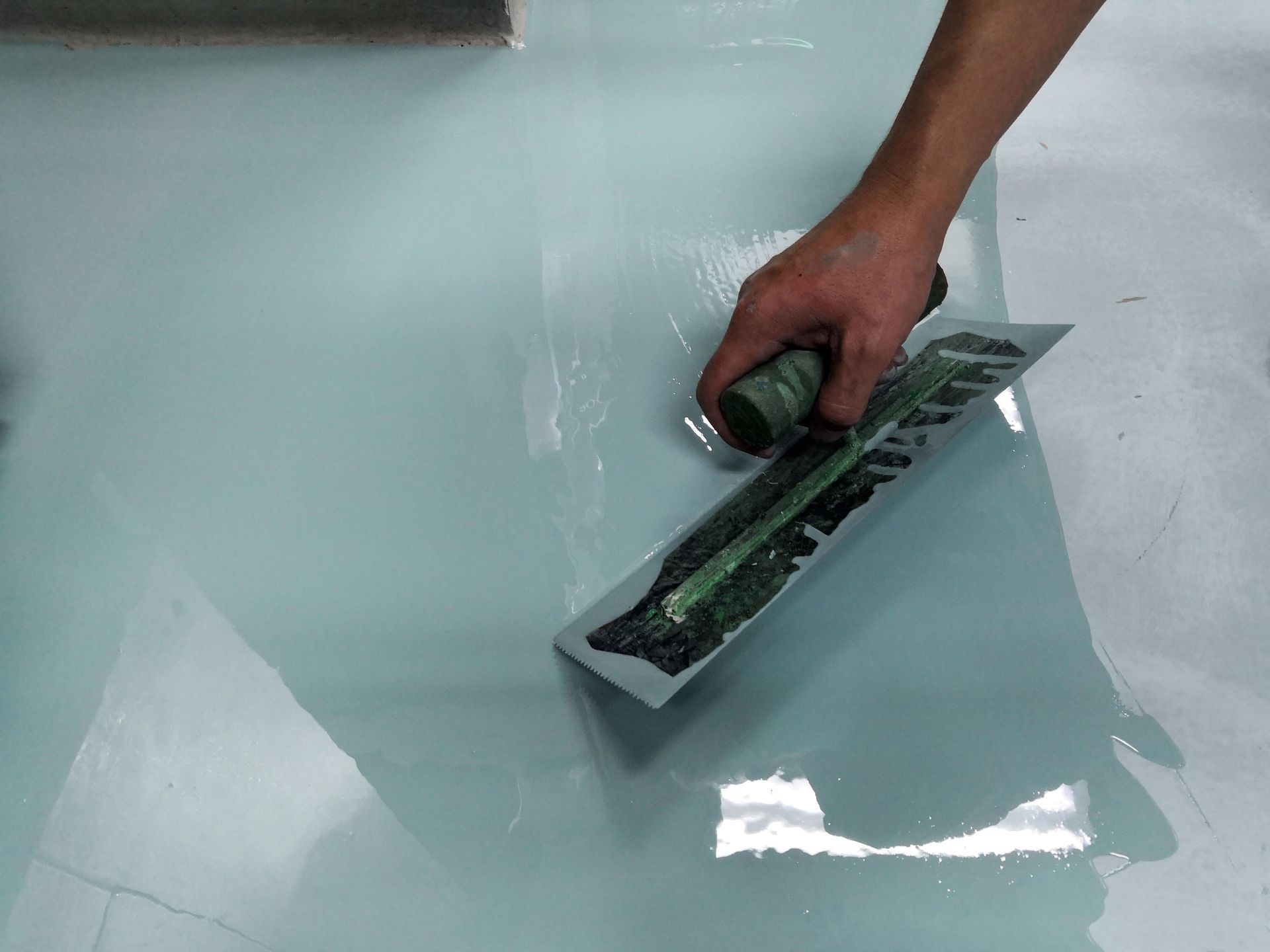
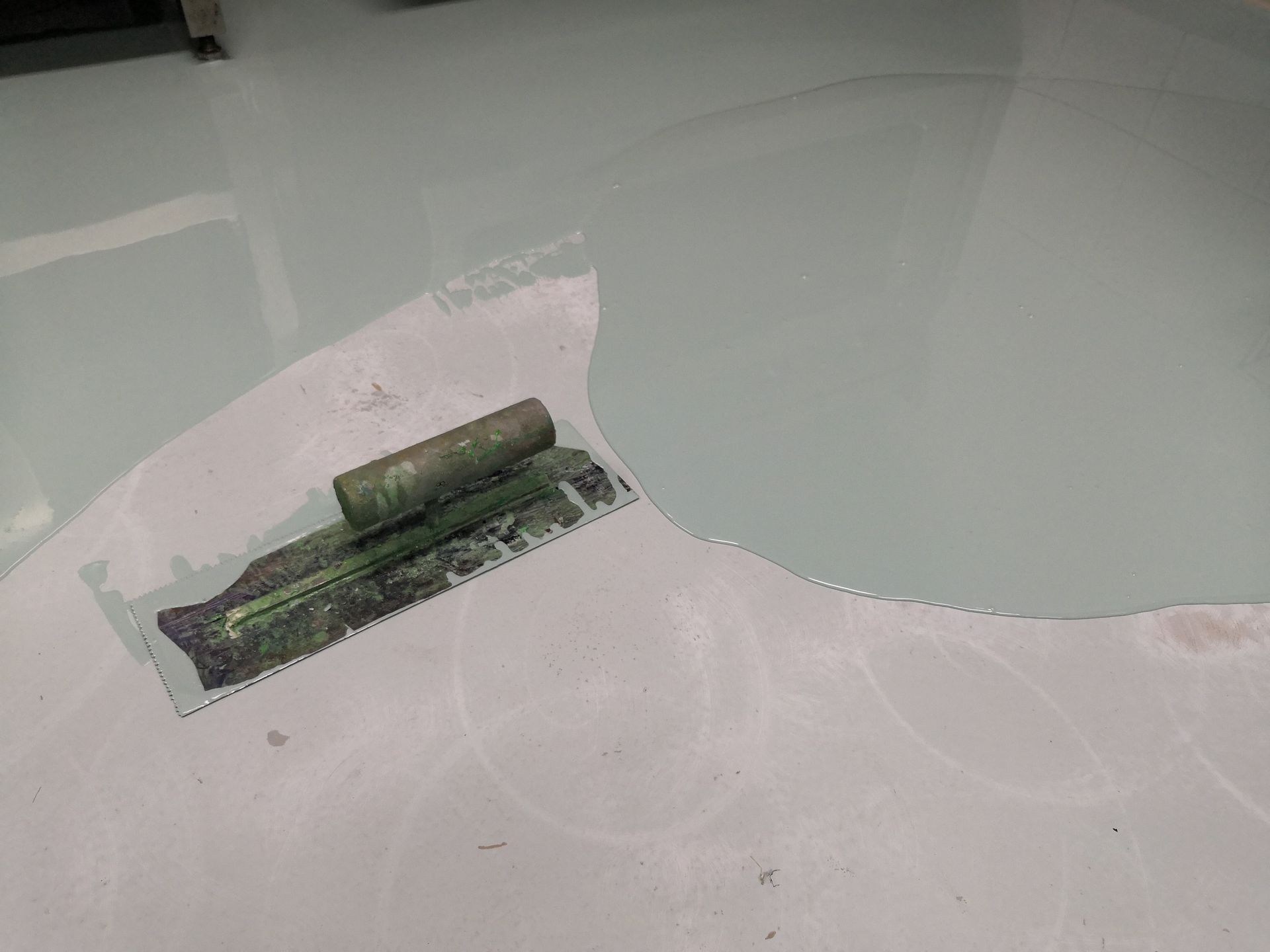
Installing a commercial-grade epoxy coating floor creates an impermeable barrier that encapsulates the entire slab. The resin penetrates open pores during application, forming an unbreakable bond that stops surface wear before it can start. Without direct friction touching the concrete matrix, particle shedding drops to zero instantly. Your staff spends less time pushing brooms and more time focusing on productive daily tasks.
Repairing Surface Spalling and Deep Fractures
Before applying any coating, addressing existing structural imperfections is essential for long-term floor performance. Everyday wear leads to pitting, gouges, spalls, and shifting fractures that collect debris and create tripping hazards. Simply painting over damaged concrete leaves weak hollows beneath the surface that quickly crack under the weight of toolboxes or pallet jacks.
Comprehensive concrete restoration resolves these structural flaws prior to coating application. Technicians use specialized diamond grinders to open the concrete pores, vacuum away debris, and chase out cracks. Low-viscosity structural polymers fill divots and voids, bonding seamlessly with the surrounding substrate to create a flat, monolithic deck. Once restored, the new epoxy floor bonds directly to solid, unyielding material that will not chip or lift when subjected to heavy daily use.
Resisting Fluid Penetration and Chemical Stains
Bare concrete is naturally porous, acting like a giant sponge whenever fluids spill on its surface. Motor oils, antifreeze, hydraulic fluids, transmission leaks, and harsh cleaning chemicals soak deep into the matrix within minutes. Once absorbed, these liquids leave dark, permanent stains that emit persistent odors and degrade the chemical binders inside the concrete itself.
A multi-layered resin system prevents fluids from ever contacting the porous substrate. The dense chemical cross-linking of an industrial epoxy floor forms a non-porous shield that keeps aggressive fluids sitting harmlessly on the top surface. Whether your team deals with dripping vehicle engines or routine chemical sanitizers, cleanup requires nothing more than a quick wipe with an absorbent rag or a mop. Floor managers no longer have to worry about permanent discoloration or chemical degradation ruining their workspace appearance.
Enhancing Workspace Brightness and Daily Safety
Dim, dingy concrete absorbs overhead illumination, creating shadows that reduce visibility across high-traffic work zones. Poor lighting leads to eye strain, increases the risk of workplace mishaps, and leaves facilities looking neglected to visiting clients. Traditional fixes involve adding expensive lighting fixtures that drive up monthly utility bills without solving the dark surface underneath.
High-gloss coatings dramatically multiply the ambient light already present in your building. The reflective sheen of a bright epoxy coating floor bounces light upward from wall fixtures and ceiling lamps, eliminating dark spots across wide aisles and storage bays. For spaces that require extra traction, non-slip aggregates like aluminum oxide or textured broadcast flakes can be embedded directly into the resin coats. This combination creates a bright, secure walking surface that keeps your crew safe around wet workstations and vehicle bays.
Delivering Long-Term Return on Capital Investment
Applying thin, store-bought concrete paints often leads to peeling, hot tire pickup, and bubbling within a few months of application. Professional systems rely on industrial surface prep and high-solids chemistry engineered to withstand heavy mechanical friction for years. According to Fox 5 San Diego, depending on traffic and usage, epoxy floors often last 5–10 years before showing signs of wear.
By choosing commercial materials over temporary paint coats, property owners lock in predictable operational value. Facilities maintain pristine surfaces without the recurring expense of repainting every spring or constantly patching chipped sections. The seamless nature of the finish also protects your underlying concrete slab from freeze-thaw cracking and salt spalling, preserving the structural value of the entire property over decades of use.
Comparing High-Performance Resin and Polish Options
Every commercial facility faces different environmental stressors, meaning surface solutions should match exact workflow demands. While an epoxy floor provides exceptional impact strength and chemical isolation, facilities exposed to intense sunlight or sharp temperature fluctuations often benefit from urethane floors. Urethane topcoats offer superior flexibility, UV resistance to prevent yellowing near open garage bays, and increased resistance to aggressive organic acids.
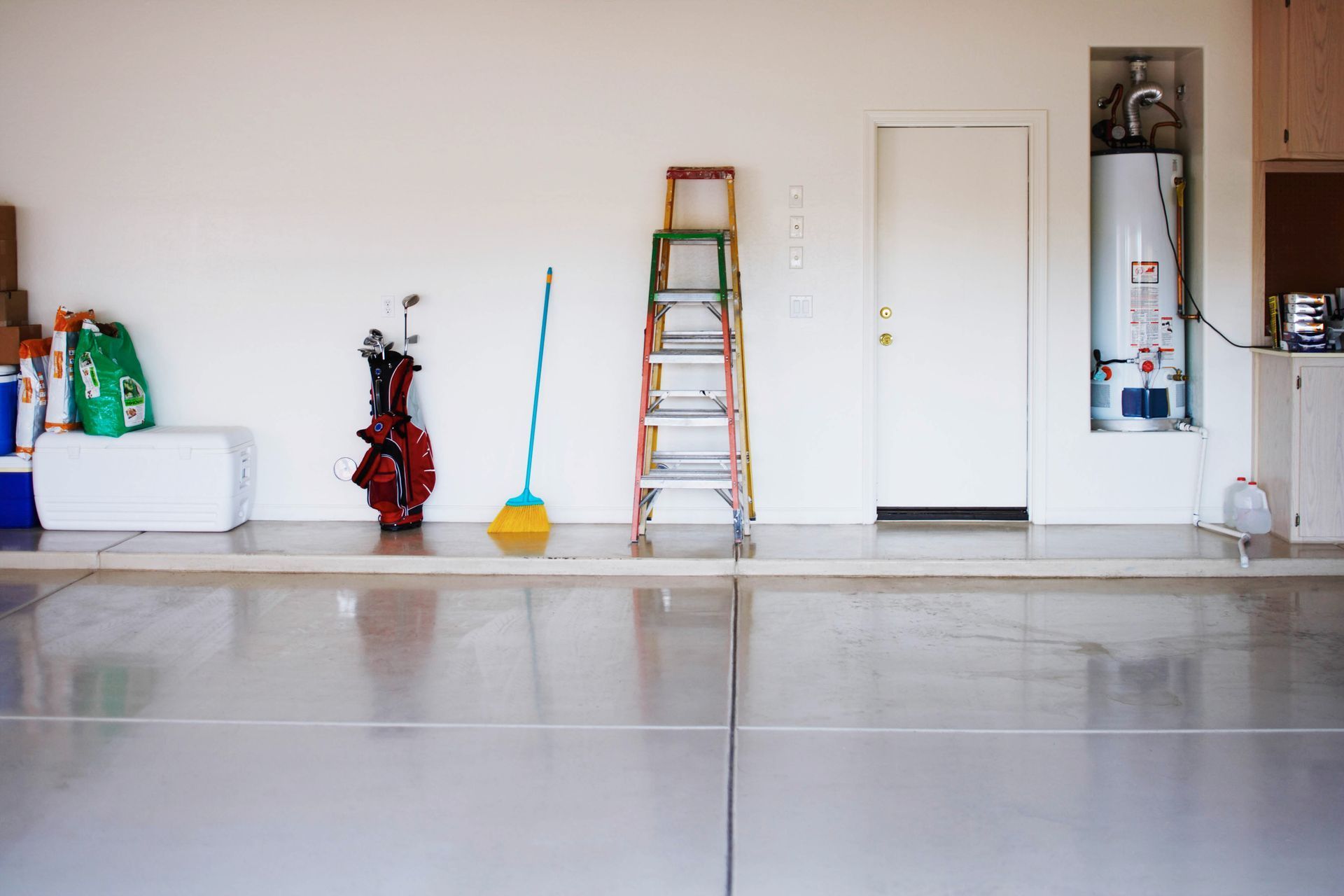
For operations that prefer an organic stone appearance without topical coatings, concrete polishing offers another durable path forward. Mechanical polishing uses progressively finer diamond abrasives to hone the concrete itself to a gleaming, mirror-like finish. Polished concrete eliminates dusting entirely while hardening the concrete surface from within, making it a low-maintenance favorite for busy retail corridors and large distribution warehouses. The resulting surface resists intense tire friction, stands up to heavy pallet traffic, and requires no stripping or waxing down the road. It also preserves natural thermal mass, maximizing energy efficiency across expansive interior spaces. Consulting with an experienced flooring crew ensures your building receives the exact balance of resin coating or mechanical polishing for its daily traffic level.
Simplifying Routine Facility Cleaning Protocols
Cleaning unsealed concrete is an exhausting chore that requires harsh degreasers, stiff wire brushes, and constant vacuuming. Even after heavy scrubbing, dirt and grease remain trapped inside the micro-pores of the stone, making the area look dull and dirty. Porous slabs also harbor moisture and grime along control joints, creating pockets where bacteria and mold can thrive. Unprotected surfaces continuously absorb everyday spills, turning minor mishaps into stubborn, permanent blemishes that demand aggressive chemical treatments.
Sealed floors transform cleanup from an all-day maintenance headache into a quick, predictable routine. A smooth epoxy floor eliminates grout lines, fissures, and rough textures where grime hides, allowing automatic scrubbers and dry dust mops to glide across the room effortlessly. Mild neutral cleaners and warm water lift surface dust, grease smears, and tracked-in mud in a single pass. Because fluids cannot penetrate the dense, non-porous resin, wash water and sanitizing solutions squeegee away completely without lingering dampness or foul odors. Your custodial crew saves hours of labor each week, reducing supply expenses while your entire facility retains a clean, professional shine that impresses customers the moment they walk through the door.
Upgrading Your Property with Proven Flooring Systems
Eliminating concrete dust, repairing surface fractures, and shielding your slab from chemical spills transforms how your facility functions every day. Investing in commercial floor coatings protects your building investment while creating a clean, safe, and professional environment for your team. Durable, seamless finishes withstand the relentless wear of heavy machinery, constant foot traffic, and abrasive debris, preventing costly long-term structural repairs down the road. They also dramatically enhance overhead lighting reflection, cutting energy costs while boosting overall workplace safety. To explore the best solutions for your residential garage, commercial warehouse, or industrial space, contact Advanced Floor Coatings to schedule your free estimate.